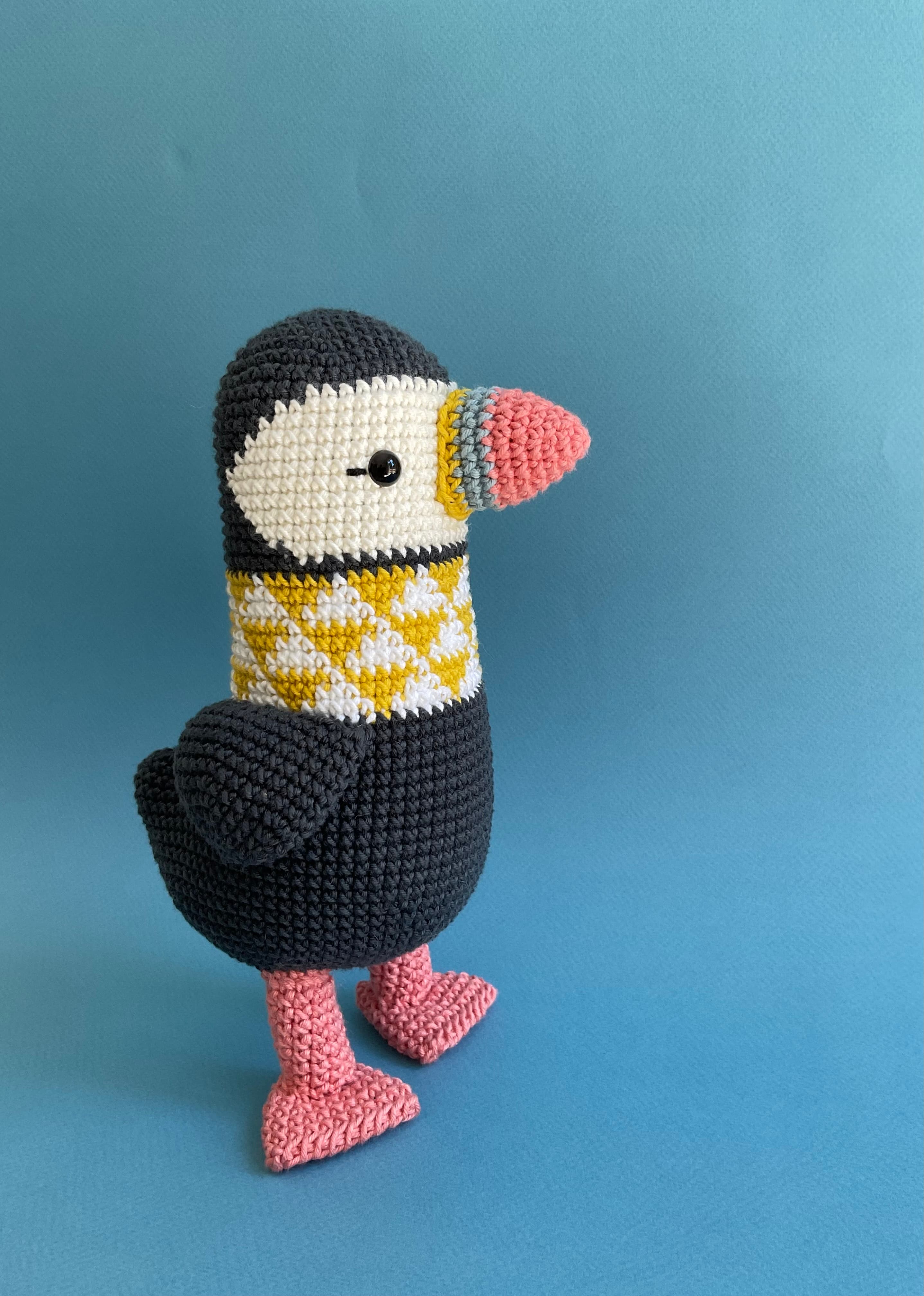
Fratercula arctica
Every knot
tells a story.
Puffins are very curious seabirds that are easily recognizable by their colorful beaks and friendly appearance. Although they look like small penguins, they are not related to them. They live mainly in the cold regions of the North Atlantic and spend most of their lives at sea. One of the most striking features is their beak. During the breeding season, the beak becomes very colorful, with shades of orange, yellow, and blue. After the breeding season, some of the colorful parts fade, and the beak becomes less striking. Another interesting fact is that puffins form pairs that can stay together for several years. They typically build their nests in burrows dug into the ground and lay only one egg per breeding season. Despite their cute appearance, these birds face various threats, such as climate change, declining fish populations, and ocean pollution. Therefore, protecting the oceans is essential to ensuring the survival of puffins and many other marine species.
The Collection
Each piece is one of a kind.
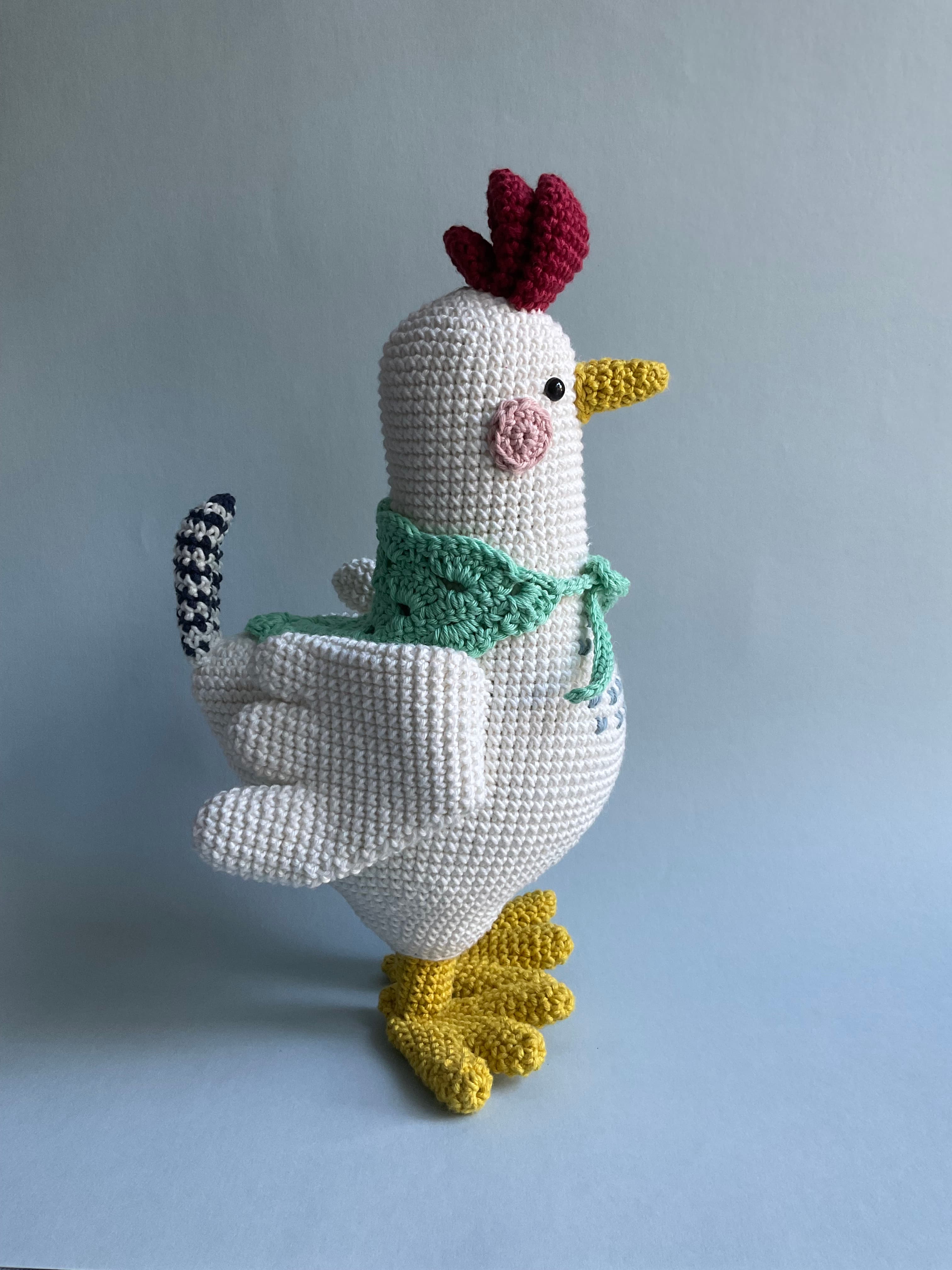
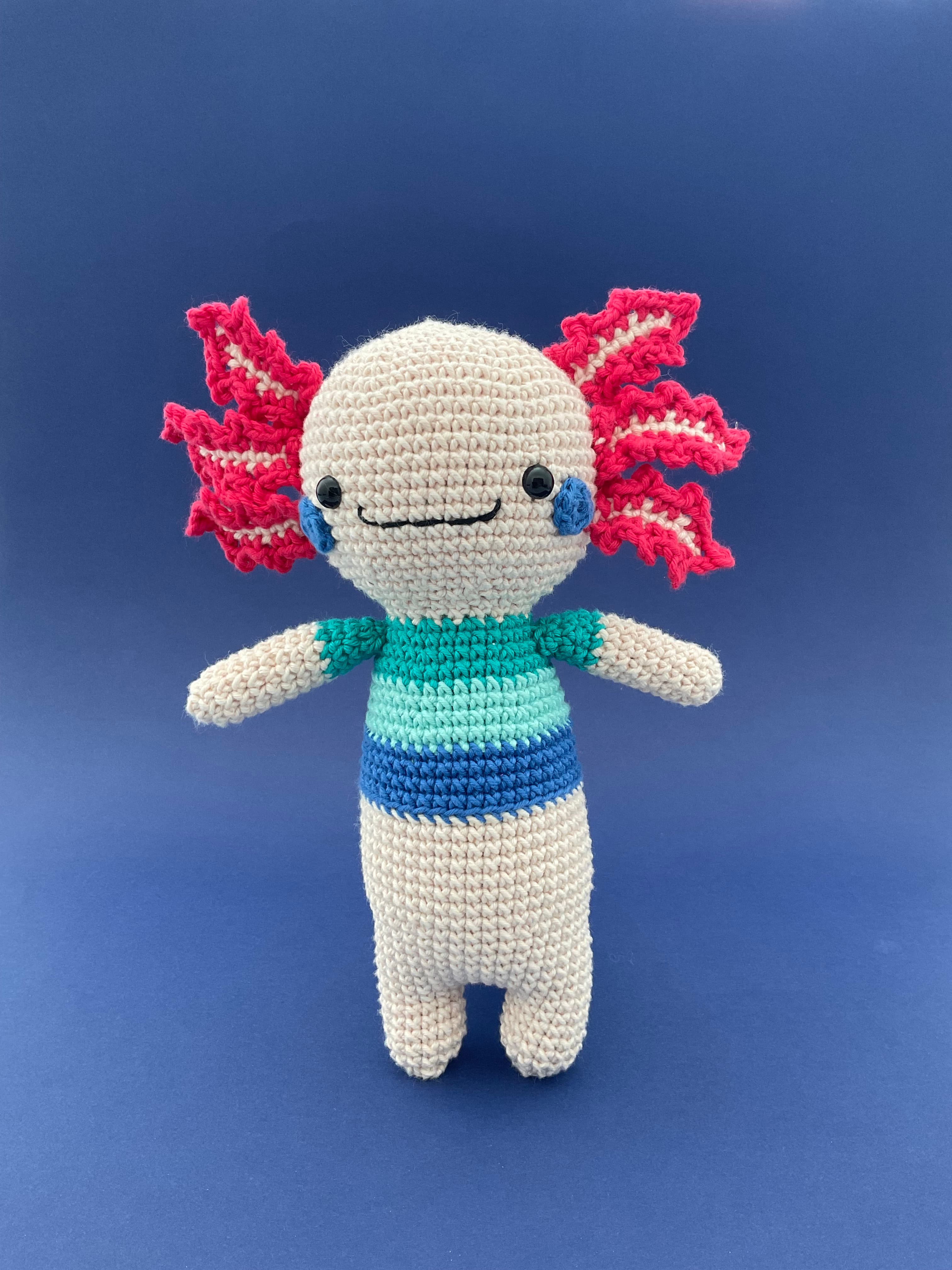
AXOLOTL AMIGURUMI
Ambystoma mexicanum
€85
The axolotl is one of the most extraordinary and bizarre creatures in nature — once you learn about it, you can't help but be fascinated! It's a Mexican salamander that never grows up. Thanks to a phenomenon called neoteny, they never undergo metamorphosis. They retain their larval features, including their iconic feathery gills, throughout their lives, essentially remaining in a permanent state of childhood. In the wild, axolotls are dark brown or grey, but in captivity, they come in a variety of stunning colours, including pink, white, golden and black. This makes each one look like a tiny mythical creature! They only exist naturally in Lake Xochimilco near Mexico City. They are nearly extinct in the wild due to pollution and habitat loss, yet paradoxically millions are thriving in captivity and laboratories worldwide. Their genome is even 10 times larger than ours. It is truly one of nature's most wonderfully strange creations!
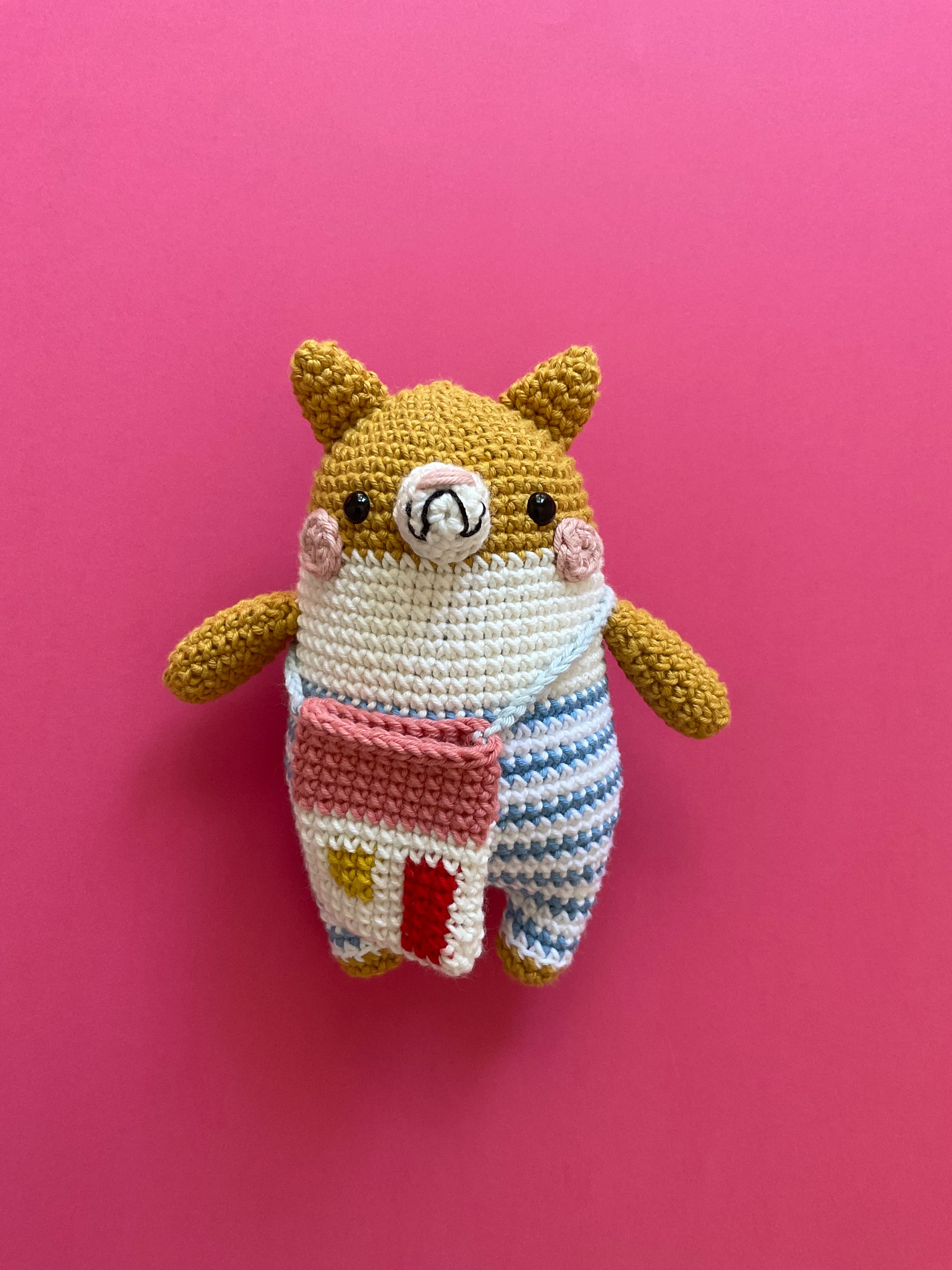
HAMSTER AMIGURUMI
Cricetidae
€81
The word "hamster" comes from the German 'hamstern', meaning "to hoard." Wild hamsters build elaborate burrow systems with separate rooms just for food storage, sometimes stockpiling pounds of food. On average, wild hamsters keep a hoard of about two to three kilograms of food in their burrows — but they've been recorded keeping as much as 65 kilograms. It's amazing that a rodent that weighs a few hundred grams can be sitting on a food store roughly the weight of an adult human. When hamsters store seeds, some get forgotten or abandoned, allowing plants to sprout in new spots — so their hoarding habit doubles as accidental seed dispersal.
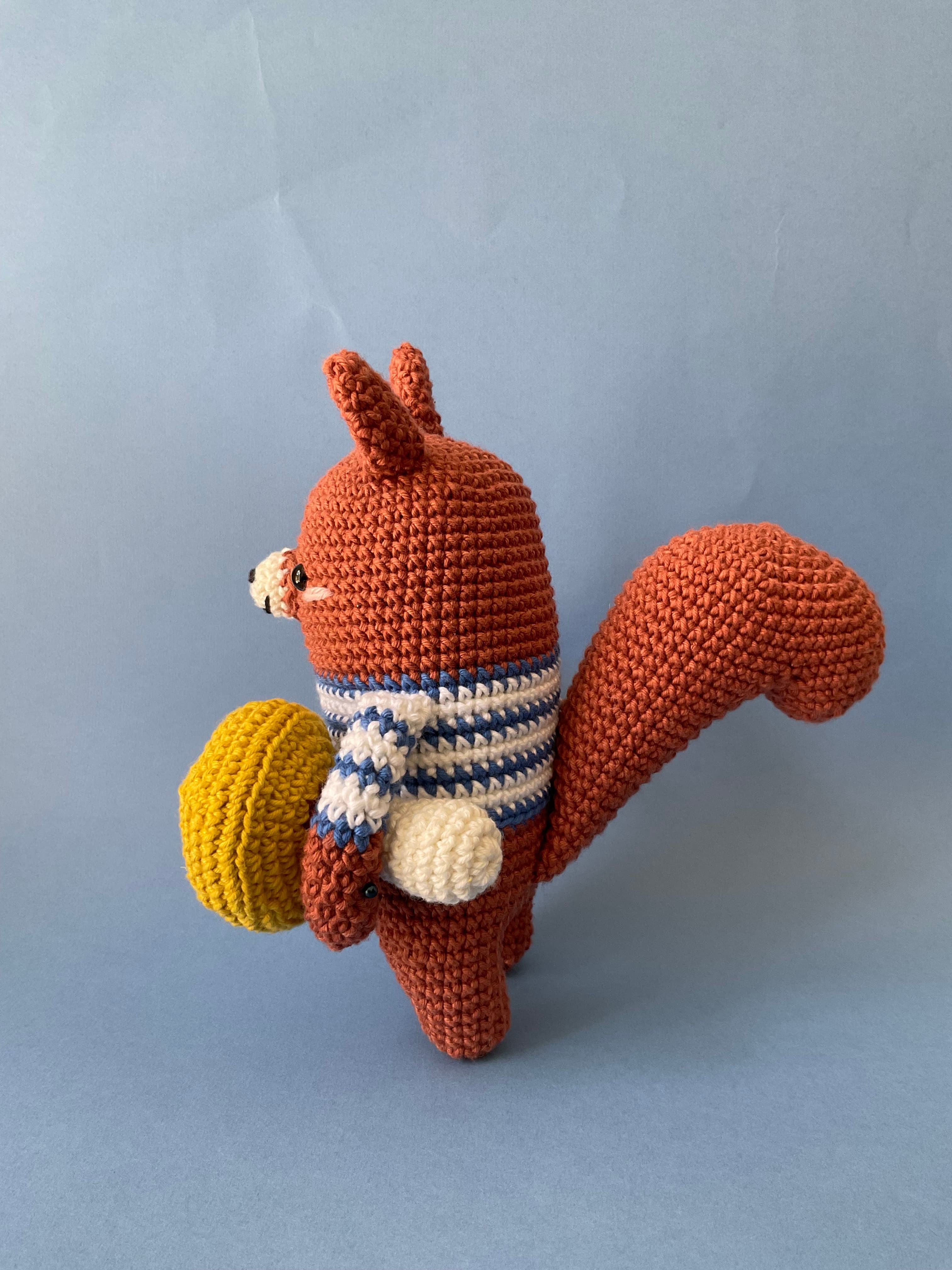
SQUIRREL AMIGURUMI
Sciurus vulgaris
€85
They are much cleverer than they appear. They have been observed pretending to bury food when they suspect another animal is watching — a deliberate act of deception to protect their real stash. This reveals a remarkable level of cognitive awareness for such a small creature. Unlike bears, they never enter deep hibernation; instead, they wake up every few days throughout winter to raid their carefully hidden food stores. Should they ever lose their footing, there is nothing to fear: their light body and bushy tail act as a natural parachute, and they have an instinctive ability to reorient themselves in mid-air, making a fall from any height completely survivable. They are tiny, cunning and quietly extraordinary. 🐿️
PUFFIN AMIGURUMI
Fratercula arctica
€85
Puffins are very curious seabirds that are easily recognizable by their colorful beaks and friendly appearance. Although they look like small penguins, they are not related to them. They live mainly in the cold regions of the North Atlantic and spend most of their lives at sea. One of the most striking features is their beak. During the breeding season, the beak becomes very colorful, with shades of orange, yellow, and blue. After the breeding season, some of the colorful parts fade, and the beak becomes less striking. Another interesting fact is that puffins form pairs that can stay together for several years. They typically build their nests in burrows dug into the ground and lay only one egg per breeding season. Despite their cute appearance, these birds face various threats, such as climate change, declining fish populations, and ocean pollution. Therefore, protecting the oceans is essential to ensuring the survival of puffins and many other marine species.
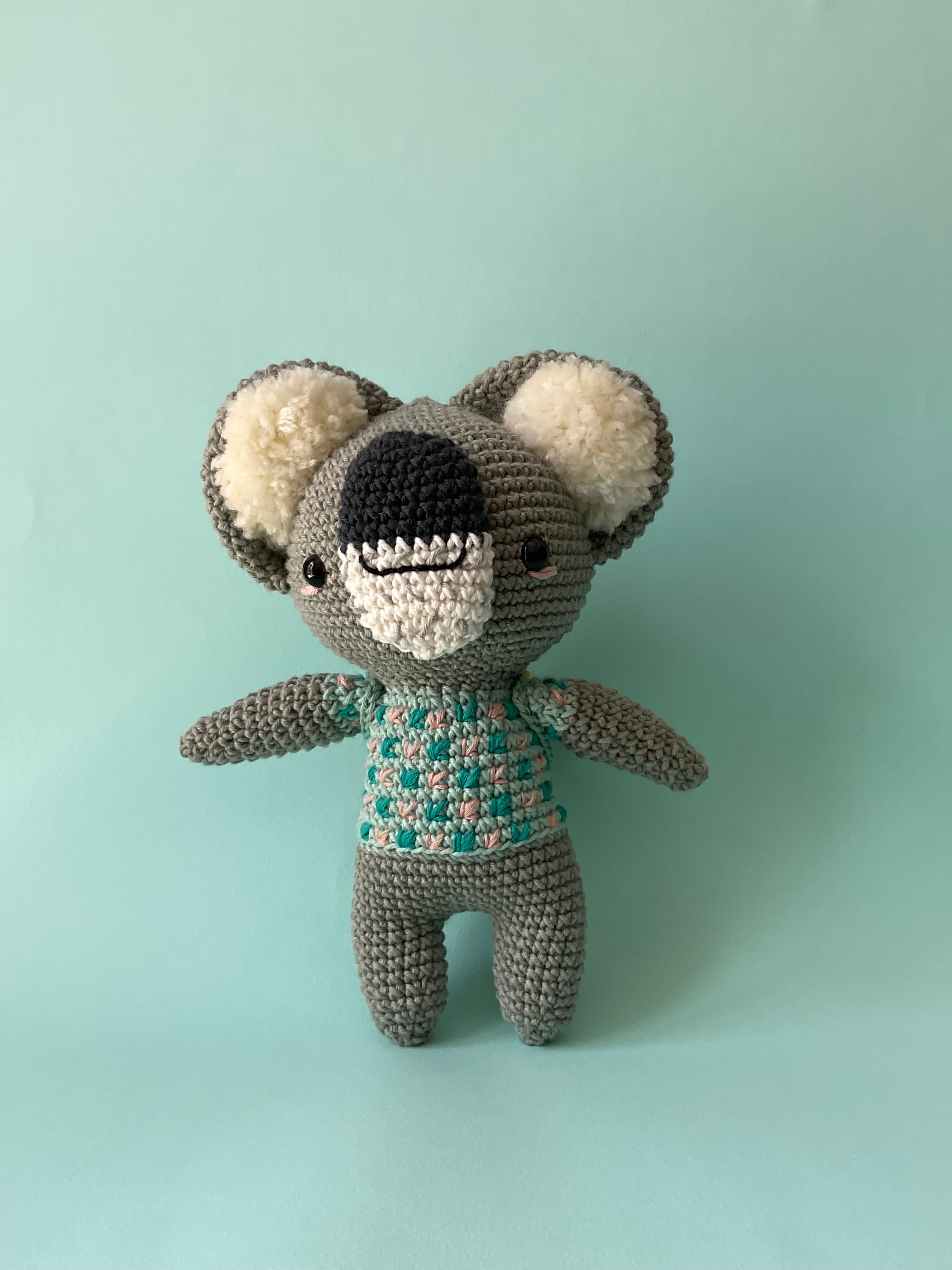
KOALA AMIGURUMI
Phascolarctos cinereus
€85
The first recorded encounter between Europeans and a koala was in 1798, when explorer John Price documented the animal near the Nepean River in New South Wales, Australia. He described it as a "sloth-like animal" — clearly not yet aware of just how iconic this little creature would become! They sleep up to 22 hours a day and eat what would kill most animals - eucalyptus leaves are poisonous to almost every other creature. Koalas have a uniquely long digestive system with a specialised microbiome that neutralises the toxins. Unique among marsupials, Koalas have two opposable thumbs on each front paw — giving them an extraordinary grip for climbing that no other animal quite matches. 🐨
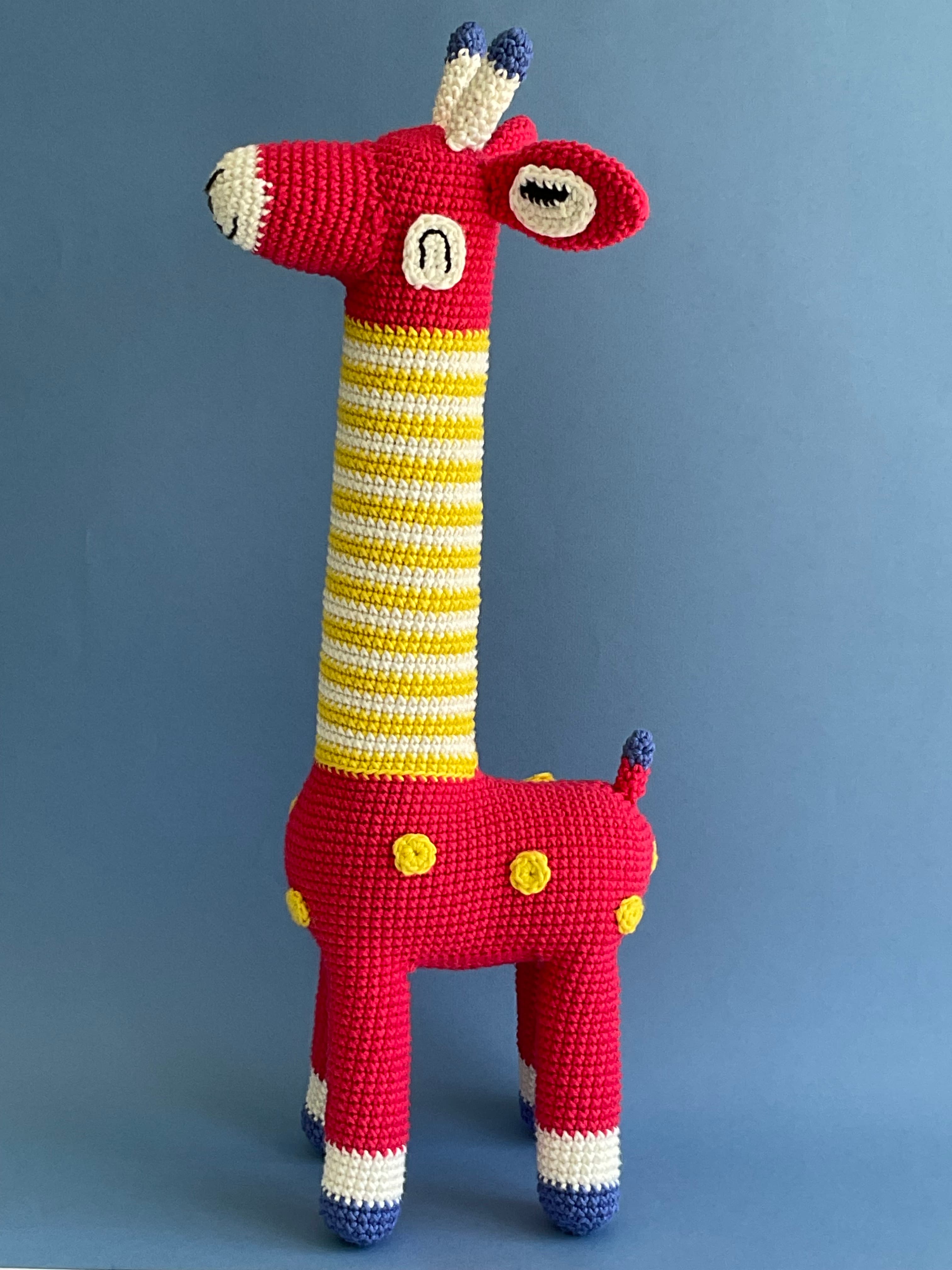
GIRAFFE WITH PINK FUR AMIGURUMI
Giraffa
€129
Giraffes only need 5 to 30 minutes of sleep per day — making them one of the least sleep-dependent mammals on Earth. They usually doze in short bursts of just a few minutes, often while standing, since lying down makes them vulnerable to predators. A full deep-sleep session on the ground is a rare luxury they can rarely afford in the wild. When they do lie down and enter deep sleep, they curl their neck back and rest their head on their own rump — quite the yoga pose for the world's tallest animal!
The Story
Behind the name,
a love story.
In Portuguese, 'gramar' means to be fond of something. Ana + Grama. The name wrote itself — before the first stitch was cast, before the first loop pulled tight.
Read the StoryMade for You
Can't find what
you're looking for?
Ana makes custom pieces to order — your animal, your colours, your story. Commissions open year round.
Follow the making
@anagrama_knots